HOME HARDENING
Home hardening when combined with defensible space can decrease the risks of damage and destruction to your home from a wildfire. Most of us have seen the now iconic picture of the lone red roofed Lahaina home surrounded by hundreds of homes destroyed by the massive Maui wildfires of August 2023. Three things are felt to have saved this 100-year-old wood home – a new heavy-gauged metal roof with an air gap to dissipate heat, noncombustible river stone mulch covering the first 5 feet from the home walls and removed all vegetation under the home’s dripline. See https://www.npr.org/2023/08/24/1195331310/red-roof-house-fires-lahaina-hawaii
Your home’s exterior is its outer defense. If an ember or flames penetrate the exterior, your home and the entire contents can be lost. The home hardening examples below are from our Rancho Santa Fe Fire Protection District. This is not a complete list, for a complete list see https://www.rsf-fire.org/
Roof
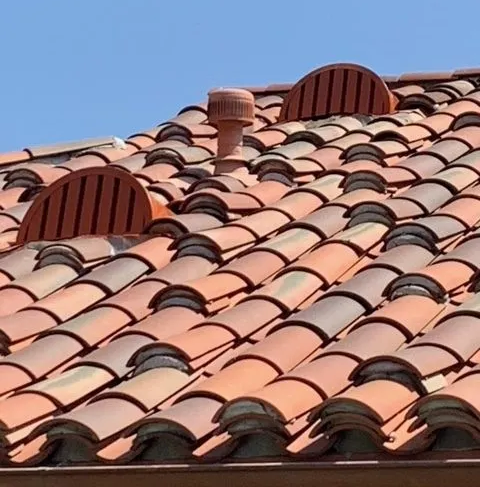
Your roof should be made of Class A fire-resistant material, such as metal, clay, slate, asphalt or tile. Fire resistant bird stops, also known as roof eave enclosures stop embers from entering under your roof and igniting the roofing paper. Bird stops also block debris and birds from making combustible nests. It is also important to keep your roof clean of combustible debris, such as dry leaves, pine needles, moss and trash.
Vents
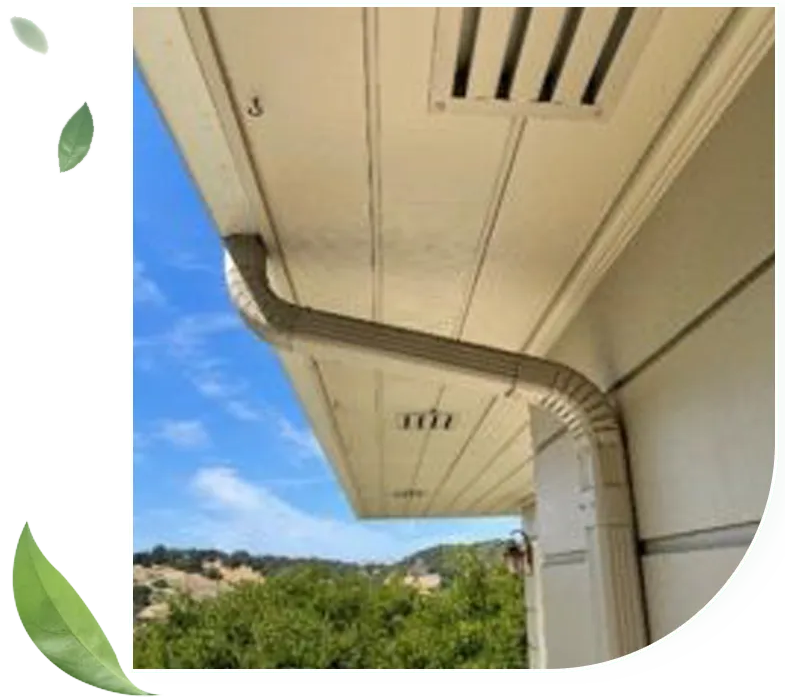
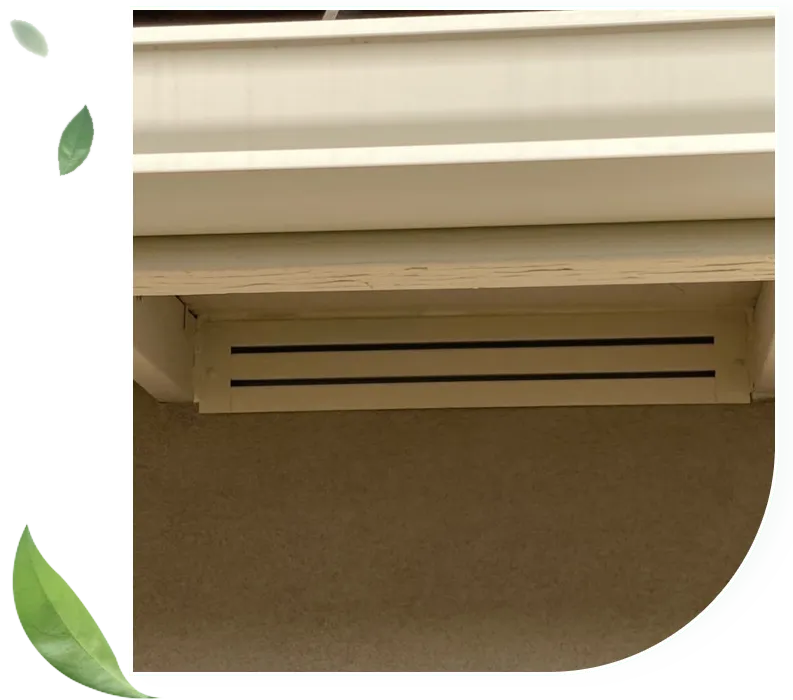
Think of vents as ember highways into your home. New construction requires ember resistant vents. Existing homes can be retrofitted with ember and flame-resistant vents (WUI vents). Several approved companies include Brandguard, Vulcan, Embers Out and O’Hagin (Fire and Ice line).
Eaves
If your eaves have exposed rafters and /or roof decking, enclose with non-combustible, ignition resistant materials or heavy timber materials.
Windows and Skylights
Remove any single pane windows and install multi-paned windows with a minimum of one pane of tempered glass. Ensure any vinyl window frames have metal reinforced corners. Replace vinyl and plastic skylights with multi-paned glass skylights with a minimum of one pane of tempered glass.
Walls and Siding
Replace combustible wood and vinyl siding with siding materials made of fiber cement, stucco, metal or masonry. Inspect exterior siding for dry rot, gaps, cracks and warping. Caulk or plug gaps greater than 1/16 th inch in siding and replace any damaged boards including those with dry rot.
Decks
Deck should be made of noncombustible materials and kept clear of flammable objects both above and below. If the underside of the deck is exposed, consider installing metal mesh around all the open sides to prevent embers from reaching underneath.
Patios and Porches
Your patio or porch cover should be made of the same fire-resistant material as your roof or of heavy timber construction.
Rain Gutters
Install non-combustible and corrosion resistant rain gutters and covers to prevent the buildup of debris and leaves. Clean gutters periodically.
Chimney
Cover stovepipes and/or chimneys outlets with non-corrosive 12 gauge metal mesh screen with openings not wider than 1/2-inch.
Garage
Install weather stripping to eliminate gaps of 1/8 inch or larger. Add a battery back up to your automatic garage door opener.
FENCES
Remove or replace combustible gates and fencing attached to your home within the first 5 feet.
This is NOT an exhaustive list and regulations are subject to changes on a yearly basis. For more information see: